Commercial Landscaping Services in Casco, MI: What a Property Manager Should Expect
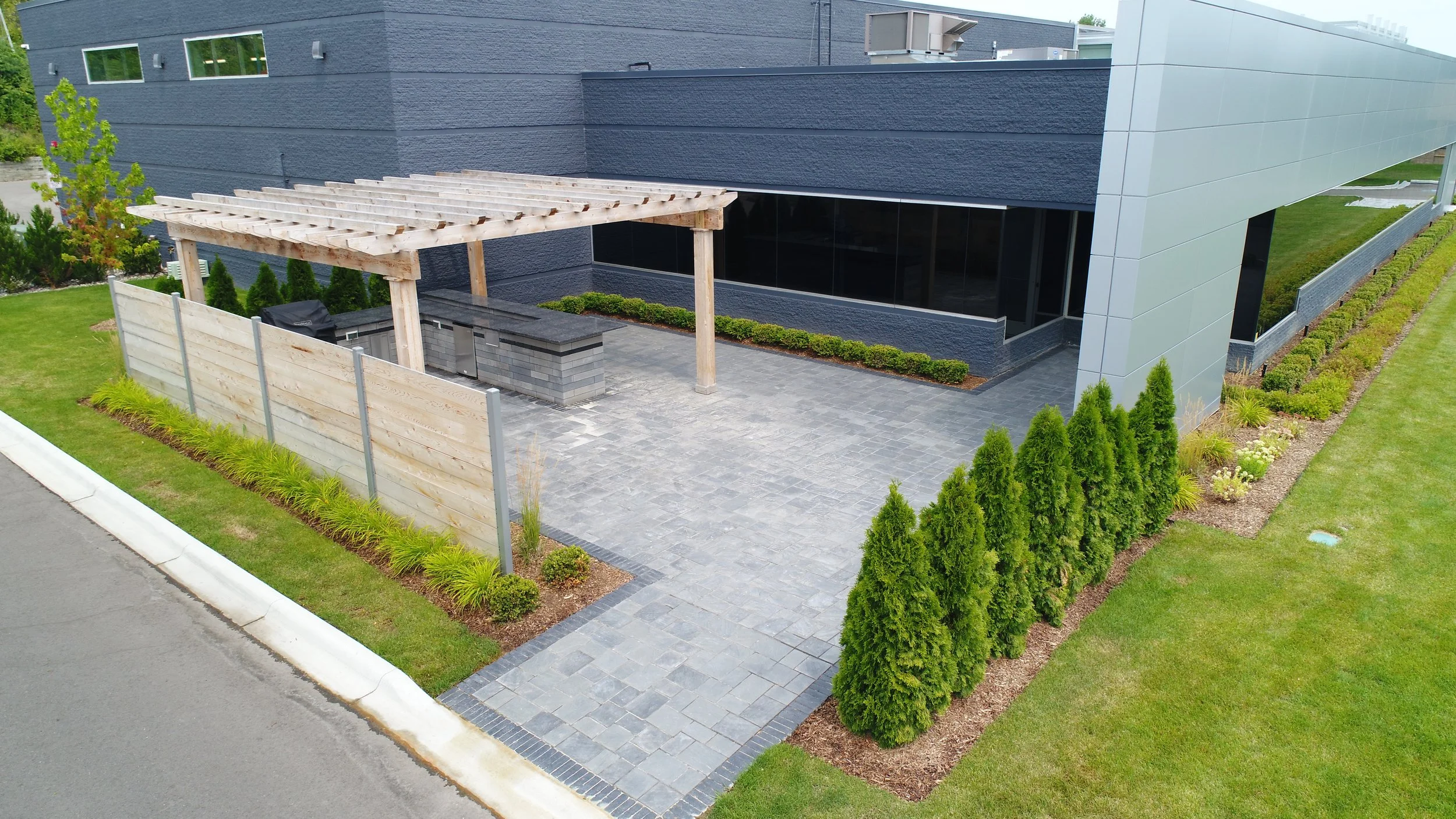
A business property that looks neglected sends a message to every customer and client who pulls into the parking lot, whether that's overgrown beds, cracked pavement, or a snow-covered walkway nobody cleared before opening. That's the gap commercial landscaping services in Casco, MI are meant to close, keeping a property looking sharp in every season rather than only when someone happens to notice it's slipping.
ZLM Outdoor Living has served commercial and residential customers across St. Clair, Macomb, Oakland, and Wayne counties since 2008, and the commercial properties that consistently look sharp are the ones on a coordinated year-round contract, not a patchwork of services scheduled reactively.
Related: The Appeal of Plantings in the Washington Township or Troy, MI Areas
What Do Commercial Landscaping Services Actually Cover?
A full commercial contract typically includes routine landscape maintenance, seasonal cleanups, hardscape and concrete work, and snow and ice management during winter months. Grading, tree service, and outdoor lighting round out the kind of comprehensive coverage a property manager needs without juggling multiple separate vendors for different parts of the property.
Softscaping and hardscaping work together on a commercial property
Plantings, mulch beds, and lawn areas need regular attention, while concrete walkways, retaining walls, and paver surfaces need their own maintenance and occasional repair. A single provider handling both produces a more cohesive result than separate crews with no coordination between the softscape and hardscape sides of the property.
Seasonal cleanups keep a property looking intentional year-round
Spring and fall cleanups address the buildup of leaves, debris, and dieback that accumulates between growing seasons, and skipping these leaves a commercial property looking neglected during the transition periods when it’s most visible to passersby and clients.
How Is Commercial Landscaping Different From Residential Work?
Commercial properties typically involve larger scale, stricter scheduling around business hours, and higher stakes around liability, since a poorly maintained walkway or an unaddressed snow hazard creates real risk for a business in a way a residential homeowner doesn’t face in the same way. Commercial contracts also tend to run on a defined annual schedule rather than the more flexible, ad hoc approach many residential customers use.
Scheduling around business operations matters more commercially
Maintenance work at a commercial property often needs to happen outside business hours or in a way that doesn’t disrupt customer access, which requires more coordination than a typical residential visit where timing is far more flexible.
Liability and safety considerations carry more weight
A business property with an unaddressed ice patch or a tripping hazard from uneven pavement carries real liability exposure, which is why commercial contracts often specify response times for snow removal or hazard identification more strictly than a residential agreement would.
What Should A Maintenance Contract Actually Include?
A clear commercial contract specifies visit frequency, what’s covered in each visit, and how the provider handles issues that come up outside the standard schedule, like storm damage or an unexpected drainage problem. Vague contracts that simply promise “regular maintenance” without specifics tend to produce inconsistent results and disputes over what should have been covered.
Defined scope prevents disputes later
Specifying exactly what mowing frequency, bed maintenance, and seasonal services are included in a contract, rather than leaving it open to interpretation, protects both the property manager and the landscaping company from disagreements about what was actually promised.
Response time commitments matter for time-sensitive issues
A contract specifying how quickly a provider responds to snow events or urgent hazards gives a property manager a concrete standard to hold the provider to, rather than an informal understanding that often falls apart when a storm hits during a busy week.
How does snow and ice management fit into a commercial contract?
Winter services for commercial properties typically include snow plowing, walkway clearing, and ice management timed to keep a property safe and accessible through Michigan winters. Coordinating this as part of the same overall contract as growing-season maintenance keeps one provider accountable for the property year-round, rather than switching vendors seasonally.
Response time during snow events affects real liability exposure
A commercial property needs snow and ice addressed promptly, often before business hours begin, since a customer or employee injury on an unaddressed icy walkway creates liability risk that residential properties don’t carry in the same way.
Consistent providers understand a property’s specific problem areas
A landscaping company that handles both growing-season maintenance and winter services for the same property develops familiarity with drainage patterns, shaded areas that ice over first, and other property-specific details that a rotating set of seasonal vendors wouldn’t accumulate over time.
What Should You Ask Before Hiring A Commercial Landscaping Company?
Ask specifically what’s included in a standard visit versus what counts as an additional service, and ask how the company handles communication when something on the property needs attention outside the regular schedule. Ask about licensing, insurance, and experience specifically with commercial properties, since the scale and liability considerations differ meaningfully from residential work.
Ask for references from other commercial properties specifically
A company with strong residential reviews doesn’t necessarily have the same track record managing commercial-scale properties with their particular scheduling and liability considerations. Asking for commercial-specific references gives a more accurate picture of what to expect.
Ask how pricing and contract terms work
Understanding whether pricing is a flat annual contract or billed per visit, and what the cancellation or adjustment terms look like, matters before committing to a long-term agreement for a property you’re responsible for maintaining.
How Does Hardscape And Concrete Work Factor Into Commercial Upkeep?
Parking lots, walkways, retaining walls, and paver surfaces all take real wear from vehicle and foot traffic on a commercial property, and a maintenance plan that only addresses plantings and lawn areas misses a significant part of what shapes a property’s overall appearance and safety.
Cracked concrete, heaving pavers, or a retaining wall showing early signs of failure all create both aesthetic and liability concerns that a coordinated plan addresses before they become bigger problems.
Freeze-thaw damage affects hardscape as much as it affects lawns
Michigan’s winters put real stress on concrete and paver surfaces, and small cracks or shifts that go unaddressed one season often worsen considerably by the next, turning a minor repair into a significant replacement project. Regular inspection as part of a maintenance contract catches this early.
Grading and drainage prevent water damage to hardscape and structures
Poor drainage around a commercial building leads to water pooling near foundations or walkways, which accelerates concrete deterioration and creates ice hazards in winter. A landscaping company that addresses grading as part of an overall property plan prevents these issues rather than treating them as separate, unrelated problems.
How Does Tree Service Fit Into A Commercial Landscape Plan?
Mature trees on a commercial property add real value and curb appeal, but they also require monitoring for storm damage risk, disease, and structural issues that could create liability if a limb or entire tree fails unexpectedly. Regular tree service as part of a broader maintenance contract catches these risks before they become emergencies.
Storm damage response matters for commercial liability
A tree limb or fallen branch blocking a walkway or parking area after a storm needs prompt attention, both for safety and to maintain normal business operations. A landscaping company already familiar with the property responds faster than one encountering the site for the first time during an emergency call.
Proactive pruning reduces long-term risk and cost
Regular pruning and structural assessment of mature trees identifies developing problems, like weak branch unions or disease, before they require emergency removal. This proactive approach costs less over time than reactive emergency tree work after a failure has already occurred.
How Do Outdoor Lighting And Appearance Affect A Commercial Property?
Low-voltage outdoor lighting improves both safety and curb appeal for a commercial property, illuminating walkways and parking areas for evening customers and staff while highlighting landscaping and architectural features that contribute to a professional first impression. A property that goes dark after business hours reads as less secure and less cared for than one with a thoughtful lighting plan.
Lighting supports both security and brand image
Well-lit walkways and entrances reduce the risk of accidents and give employees and customers a stronger sense of safety when arriving or leaving after dark, while also reinforcing a polished, professional image for the business itself.
Coordinating lighting with the rest of the landscape plan produces better results
A lighting system planned alongside plantings and hardscape, rather than added as an afterthought, integrates more naturally into the property’s overall design and avoids the patchwork look of fixtures added piecemeal over time.
Related: What Are the Advantages of Exposed Aggregate Concrete in the Rochester Hills, MI, Area?

How Much Do Commercial Landscaping Services Cost?
Cost depends on property size, the specific mix of services included, and whether snow and ice management runs as part of the same annual contract or gets billed separately. A property combining softscape maintenance, hardscape upkeep, and winter services typically costs more than a lawn-only contract, but consolidates everything under one accountable provider.
Multi-service contracts often cost less than separate vendors
A property manager hiring one company for landscaping, hardscape, tree service, and snow removal typically pays less overall than contracting each service separately, since a single provider coordinates scheduling and equipment across visits rather than duplicating site visits and mobilization costs.
A property walk-through produces a more accurate quote than a phone estimate
Property size, existing plant health, hardscape condition, and drainage all affect what a maintenance plan actually needs, so an on-site assessment gives a property manager a far more reliable number than a generic price based on square footage alone.
How Does Irrigation Fit Into A Commercial Landscaping Contract?
Commercial irrigation systems need regular monitoring and adjustment, since an overwatered bed near a building foundation causes different problems than an underwatered lawn area baking in full sun near a parking lot.
Coordinating irrigation management with the rest of a maintenance contract keeps watering schedules aligned with actual plant needs rather than running on a fixed timer regardless of rainfall or season.
Spring startup and fall winterization protect the system itself
Michigan's freeze-thaw cycles damage irrigation lines left full of water through a hard freeze, so professional winterization each fall and proper startup each spring prevent cracked pipes and costly repairs. A provider already managing the property's other seasonal services typically coordinates this timing without an extra vendor visit.
Zone-specific watering reduces both water waste and plant stress
A commercial property with sun-exposed parking lot islands and shaded entrance beds needs different watering schedules for each zone, and a coordinated irrigation plan adjusts for these differences rather than applying one schedule across the entire property.
What Does Switching To A New Commercial Landscaping Provider Look Like?
A property manager considering a change mid-contract year typically worries about disruption during the transition, but a straightforward onboarding process addresses existing conditions before the new provider's first scheduled visit.
An initial property assessment identifies what's already in place, what needs immediate attention, and how the new contract's scope compares to what the previous provider covered.
A transition period overlaps old and new service where possible
Coordinating a handoff date that avoids gaps in coverage, particularly around snow season or a critical growing-season window, keeps a property from going without service during the switch itself.
Documentation from the outgoing provider speeds up the transition
Existing irrigation maps, plant inventories, or notes on recurring problem areas, when available, help a new provider get up to speed faster than starting entirely from a blank assessment.
Confirming contract terms upfront prevents surprises later
Reviewing cancellation terms, service scope, and pricing structure with a new provider before signing avoids the same ambiguity that may have caused issues with a previous contract.
Ready for a Coordinated Commercial Landscaping Plan?
Every commercial property has a different combination of softscape, hardscape, and seasonal needs depending on its layout and how it’s used.
ZLM Outdoor Living will assess your property and build a coordinated maintenance plan that covers it year-round. Schedule a Commercial Landscaping Consultation with ZLM Outdoor Living to get started.
Frequently Asked Questions
How much do commercial landscaping services cost?
Cost depends on property size, the specific mix of services included, and whether snow and ice management runs as part of the same annual contract or gets billed separately. A property combining softscape maintenance, hardscape upkeep, and winter services typically costs more than a lawn-only plan, but consolidates everything under one accountable provider. Hiring one company for multiple services typically costs less overall than contracting each separately, since scheduling and equipment overlap across visits. An on-site walk-through produces a far more accurate quote than a generic price based on square footage alone.
How does irrigation management work as part of a commercial contract?
Commercial irrigation systems need regular monitoring and adjustment, since an overwatered bed near a building foundation causes different problems than an underwatered lawn area in full sun. Spring startup and fall winterization protect the system itself, since Michigan's freeze-thaw cycles damage irrigation lines left full of water through a hard freeze. A provider already managing a property's other seasonal services typically coordinates this timing without requiring an additional vendor visit. Zone-specific watering also reduces both water waste and plant stress, since sun-exposed and shaded areas of the same property rarely need identical schedules.
What should a commercial landscaping maintenance contract actually include?
A clear contract specifies visit frequency, what's covered in each visit, and how the provider handles issues outside the standard schedule, like storm damage or an unexpected drainage problem. Vague contracts that simply promise "regular maintenance" without specifics tend to produce inconsistent results and disputes over what should have been covered. Response time commitments matter especially for snow and ice events, giving a property manager a concrete standard to hold the provider to. Specifying exact mowing frequency, bed maintenance, and seasonal services protects both the property manager and the landscaping company from later disagreements.
How is commercial landscaping different from residential landscaping?
Commercial properties typically involve larger scale, stricter scheduling around business hours, and higher liability stakes, since an unaddressed snow hazard or a tripping hazard from uneven pavement creates real risk for a business. Maintenance work often needs to happen outside business hours or in a way that doesn't disrupt customer access, requiring more coordination than a typical residential visit. Commercial contracts also tend to run on a defined annual schedule rather than the more flexible, ad hoc approach many residential customers use. Response time requirements for snow removal or hazard response are often specified more strictly in commercial agreements than residential ones.
What does switching to a new commercial landscaping provider involve?
A straightforward onboarding process starts with an initial property assessment identifying existing conditions, immediate needs, and how the new contract's scope compares to the previous provider's coverage. Coordinating a transition date that avoids gaps in coverage, particularly around snow season or a critical growing-season window, keeps the property from going without service during the switch. Documentation from the outgoing provider, like irrigation maps or notes on recurring problem areas, helps the new provider get up to speed faster than starting from scratch. Reviewing contract terms, cancellation policy, and pricing structure upfront also prevents the same ambiguity that may have caused issues with a previous provider.
Related: Enhance Beauty With Plantings: Landscaping Companies in Rochester Hills, MI