What Homeowners Should Know Before Updating a Driveway and Retaining Wall in St. Clair County, MI
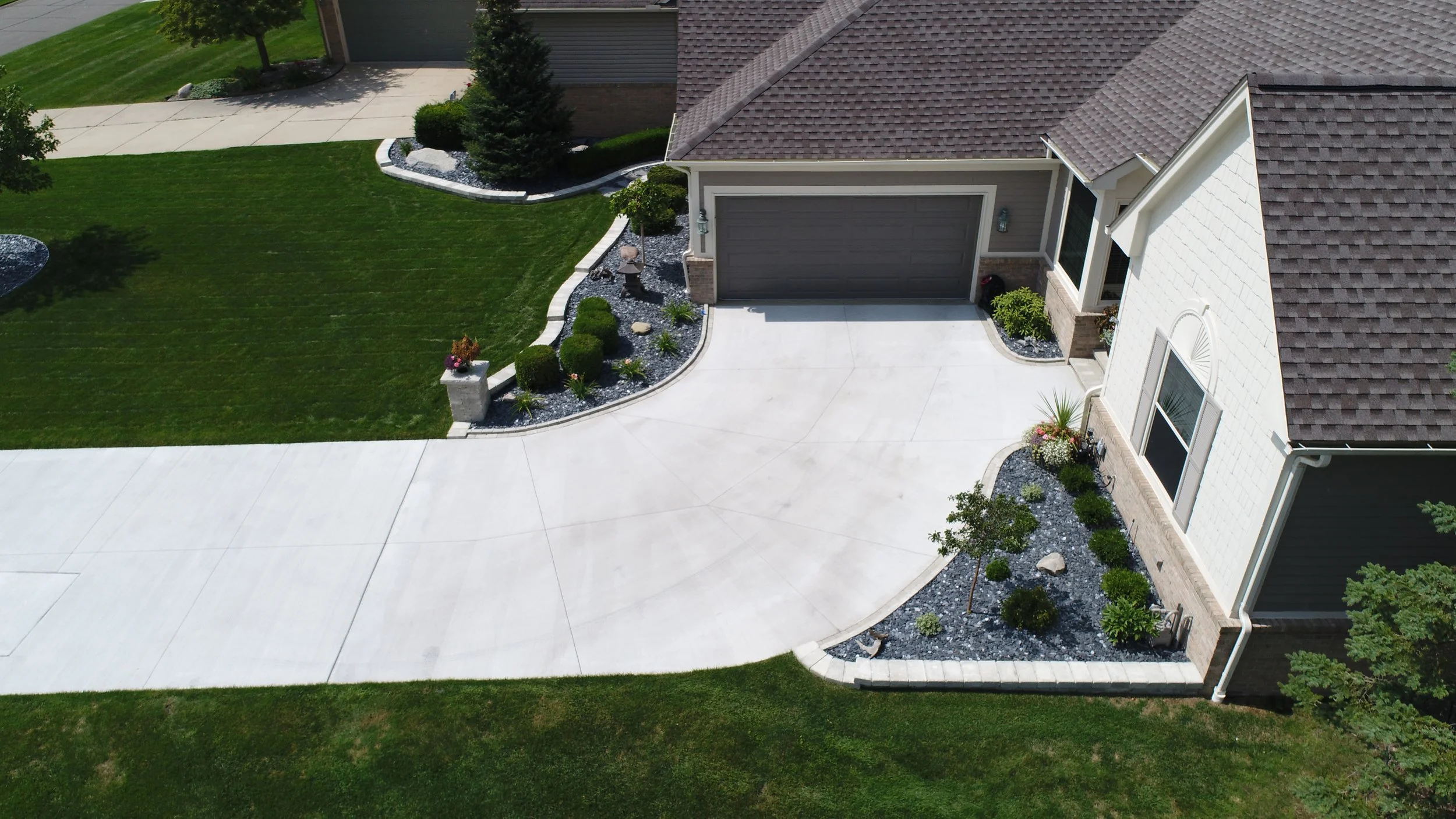
Updating a driveway and retaining wall in St. Clair County, MI, is one of those projects that feels deeply satisfying because it blends visual impact with everyday function. These are features you interact with daily—pulling in after a long day, welcoming guests, navigating seasonal weather—and when they’re designed and built correctly, they quietly enhance how your home works and feels. In a region shaped by lake-effect weather, clay-heavy soils, and dramatic seasonal changes, these updates deserve careful planning, premium materials, and experienced execution.
Related: How Retaining Walls Can Frame Your Outdoor Space for Cozy Nights in Washington Township, MI
Retaining & Seating Walls With Purpose and Precision
Retaining and seating walls play a vital role in shaping outdoor spaces, especially on properties with changing elevations or defined outdoor living areas. When designed and built correctly, these walls provide structural support while also creating natural gathering spaces that feel intentional and well integrated into the landscape.
We design retaining walls to stabilize slopes, manage soil pressure, and create usable outdoor areas where uneven terrain once limited potential. Using high-quality masonry block and stone materials suited for Michigan’s climate, our walls are engineered to withstand freeze-thaw cycles, moisture, and long-term ground movement. Proper base preparation, reinforcement, and drainage are always built into the design to ensure lasting performance below the surface.
Seating walls add comfort and functionality without cluttering the space with movable furniture. Integrated directly into patios and outdoor living areas, they define conversation zones, frame fire features, and provide permanent seating that feels both practical and refined. Seating walls also help visually anchor the space, giving outdoor areas a sense of structure and flow.
Whether supporting the landscape or enhancing how outdoor spaces are used, our retaining and seating walls are designed to balance strength, longevity, and clean architectural appeal.
Why Driveways and Retaining Walls Deserve Strategic Planning
Driveways and retaining walls are often underestimated because they seem straightforward. In reality, they are two of the most technically demanding exterior features on a Michigan property. A driveway must support repeated vehicle loads while enduring freeze-thaw cycles, snow removal equipment, and shifting soil conditions. A retaining wall must resist constant pressure from soil and water while maintaining alignment and visual balance year after year.
In St. Clair County, proximity to Lake Huron introduces higher moisture levels, fluctuating groundwater, and extended freeze periods. These conditions demand precise grading, engineered base preparation, and thoughtful material selection. When any one of those elements is overlooked, issues such as cracking, settling, or wall movement become inevitable.
Our role is to eliminate those risks before construction even begins. We analyze slope, drainage paths, soil composition, and seasonal exposure so the finished result performs seamlessly across decades—not just the first few years.
What Is the Best Driveway Material for Michigan?
Michigan’s climate is unforgiving, and driveway materials must be chosen with performance in mind before aesthetics ever enter the conversation. Wide temperature swings—from below-zero winters to hot, humid summers—combined with snow, ice, road salt, and moisture infiltration can quickly expose weaknesses in inferior materials or rushed installations. In Southeast Michigan, and especially throughout St. Clair County, freeze-thaw cycles and fluctuating groundwater levels place constant stress on driveway surfaces and the base beneath them.
We focus on driveway solutions that are proven to perform in these conditions while still delivering a refined, high-end appearance. The right material choice is not just about how the driveway looks when it’s finished—it’s about how it holds up after years of Michigan winters, spring thaws, and everyday use.
Concrete Driveways in St. Clair County
Concrete remains a strong option for homeowners who value a clean, timeless look paired with impressive structural strength. When properly designed and installed, concrete driveways handle daily vehicle traffic, snow removal, and seasonal temperature changes with confidence.
A professionally designed concrete driveway accounts for:
Proper thickness to support vehicle loads without stress
Control joints are placed strategically to manage expansion and contraction
Sloping that directs water away from the surface, preventing pooling and ice formation
In Michigan, concrete performance is less about the material itself and more about preparation. Base construction, soil compaction, and curing conditions all play a critical role in how concrete performs long-term. Without the right foundation and installation timing, even premium concrete can crack or shift prematurely. That’s why we treat concrete installation as an engineered system—not just a poured surface—designed to withstand St. Clair County’s demanding climate year after year.
Concrete Paver Driveways
For homeowners who want both durability and design flexibility, concrete pavers are often the superior option. Pavers excel in freeze-thaw environments because their modular nature allows for subtle movement without large-scale cracking. Instead of fighting Michigan’s seasonal ground movement, pavers are designed to accommodate it.
Concrete paver driveways offer:
Enhanced resistance to frost heave due to flexible joints
Design versatility through patterns, borders, and color blends
Long-term serviceability, since individual pavers can be adjusted if needed
In St. Clair County, paver driveways are especially effective where soil conditions vary across the property. Properly installed pavers distribute weight evenly across the surface and respond far better to ground movement than rigid materials. The result is a driveway that maintains its structure and appearance while offering a level of customization and refinement that many homeowners prefer for luxury properties.
Understanding Michigan Soil and How It Impacts Installation
Soil composition plays a massive role in driveway and retaining wall performance, and much of St. Clair County contains clay-heavy soil. Clay expands when wet and contracts as it dries, creating constant movement beneath hardscape features.
Our installation approach accounts for this reality by:
Excavating to appropriate depths to remove unstable soil
Installing compacted aggregate bases designed for drainage and load support
Using grading techniques that manage surface and subsurface water movement
These measures ensure that seasonal moisture changes don’t translate into visible damage. When the groundwork is done correctly, the finished project remains stable, level, and visually sharp—even after years of Michigan winters.
Related: Enhance Your Oasis: Expertly Curated Plantings and Retaining Walls in Armada Township, MI
What Happens If You Don’t Put Drainage Behind a Retaining Wall?
Drainage is the single most critical factor in retaining wall longevity, and it’s also the most common point of failure when corners are cut. Without proper drainage, water accumulates behind the wall, increasing pressure with every rainfall, spring thaw, and snowmelt event. In a climate like Michigan’s—where moisture and freezing temperatures overlap for months at a time—this pressure builds far more quickly than many homeowners expect.
When trapped water freezes, it expands, dramatically increasing the force against the wall structure. Over time, this repeated stress can cause visible bulging, cracking, or leaning, and in severe cases, complete wall failure. These issues rarely appear overnight. Instead, they develop gradually, often starting below the surface, until the wall no longer performs as intended.
Every retaining wall we design includes a water management system tailored to the site’s slope, soil composition, and exposure to seasonal moisture. Proper drainage allows water to move away from the wall instead of pushing against it, protecting both the structure and the surrounding landscape.
Effective retaining wall drainage includes:
Free-draining aggregate that prevents water from becoming trapped behind the wall
Drain tile systems that redirect water away from the wall base
Surface grading that minimizes water flow toward the structure
When drainage is properly engineered, the retaining wall works with the landscape instead of fighting it. The result is a structure that feels solid, secure, and permanent—built to handle Michigan’s freeze-thaw cycles with confidence.
Retaining Walls as Architectural Features
Retaining walls serve a vital structural purpose, but they also present an opportunity to shape outdoor spaces with intention and clarity. On many St. Clair County properties, changes in elevation can either feel abrupt and awkward or be transformed into defining design elements that add order and visual balance.
Thoughtfully designed retaining walls can:
Create usable, level areas that improve movement and flow across the property
Frame driveways and transitions with clean lines and architectural presence
Integrate seamlessly with surrounding hardscape elements for a cohesive look
Rather than appearing purely utilitarian, well-designed retaining walls anchor the landscape and give it a sense of structure and permanence. Our design process ensures that each wall feels intentional, proportionate, and visually connected to the home’s architecture—serving both form and function without compromise.
How Often Should a Driveway Be Repaved?
Driveway lifespan varies depending on material selection, installation quality, drainage, and daily use. In Michigan, climate plays an outsized role in how long a driveway holds up. Freeze-thaw cycles, snow removal equipment, moisture infiltration, and seasonal ground movement all place stress on the surface and the base beneath it. When these factors aren’t addressed from the start, even a newer driveway can show signs of wear far earlier than expected.
As a general guideline, professionally installed driveways in Southeast Michigan tend to follow these timelines:
Concrete driveways often perform well for 25 to 30 years when properly designed and maintained
Concrete paver driveways can last significantly longer due to their flexible, modular construction
That said, repaving may be necessary sooner if underlying issues are present. Common factors that shorten driveway lifespan include:
Water drainage problems that allow moisture to pool or freeze beneath the surface
Inadequate base preparation that leads to settling or shifting
Ground movement that creates uneven areas or surface separation
When we assess an existing driveway, we look far beyond visible cracking or surface wear. Subsurface stability, slope, drainage patterns, and soil conditions all factor into our recommendations. In some cases, targeted repairs or design adjustments may be appropriate. In others, full replacement is the most responsible long-term solution. The goal is always the same: a driveway that performs reliably in Michigan’s climate and continues to look intentional, refined, and well-supported for years to come.
How Long Do Retaining Walls Typically Last?
A professionally designed and installed retaining wall can easily last 40 years or more in Michigan conditions, but longevity depends on far more than surface appearance. True durability comes from proper engineering, thoughtful material selection, and—most importantly—effective drainage. When these elements work together, a retaining wall becomes a long-term structural asset rather than a future liability.
Key factors that extend retaining wall lifespan include:
Footings installed below Michigan’s frost line to prevent seasonal heaving
Proper backfill and compaction techniques that support the wall evenly
Effective water management systems that relieve pressure behind the structure
In St. Clair County, freeze-thaw cycles are relentless, and retaining walls must be designed with movement in mind. Walls that are rigid without flexibility often fail prematurely. Our retaining walls are built to resist soil pressure, adapt to seasonal ground shifts, and maintain proper alignment year after year. The result is a structure that feels solid and permanent, even after decades of exposure to Michigan’s climate.
What Home Renovations Require a Permit in Michigan?
Permitting requirements vary by municipality, but many driveway and retaining wall projects in St. Clair County require approval—particularly when they impact grading, drainage, or structural height. These regulations exist to protect surrounding properties, manage water flow, and ensure long-term safety and stability.
Projects that often require permits include:
Retaining walls above specific height thresholds
Driveway modifications that affect access points or right-of-way areas
Changes that alter drainage patterns or water runoff
Navigating permitting can feel overwhelming, especially when requirements differ from one township to the next. Our team handles permit coordination as part of the project process, ensuring everything meets local codes and regulations. This proactive approach protects homeowners from future complications and ensures the work is properly documented from the start.
Timing Installation Around Michigan’s Seasons
Michigan’s seasons play a significant role in when driveway and retaining wall projects should be completed. Successful installation depends on ground conditions that allow for proper excavation, compaction, and curing—factors that are directly influenced by temperature and moisture levels.
The most favorable installation periods typically include:
Late spring, once frost has fully exited the ground
Summer, when temperatures are consistent and soil conditions are stable
Early fall, before extended cold and increased moisture return
Scheduling work during these windows allows materials to perform as intended and ensures structural components are installed under optimal conditions. Planning ahead is especially important for larger or more complex projects, as it allows us to align construction timelines with Michigan’s climate rather than working against it.
Building for Michigan Living
In St. Clair County, a well-designed driveway and retaining wall quietly withstand the elements while enhancing daily life. They support your landscape, manage water responsibly, and provide a strong, composed first impression—season after season.
When you’re ready to invest in these essential features, working with a team that understands Michigan’s climate, soil, and long-term performance expectations makes all the difference. At ZLM Outdoor Living, we design and build with confidence, intention, and a deep respect for how outdoor spaces are meant to perform.