How to Design a Backyard Built for Entertaining and Relaxation for Outdoor Living in Casco, MI
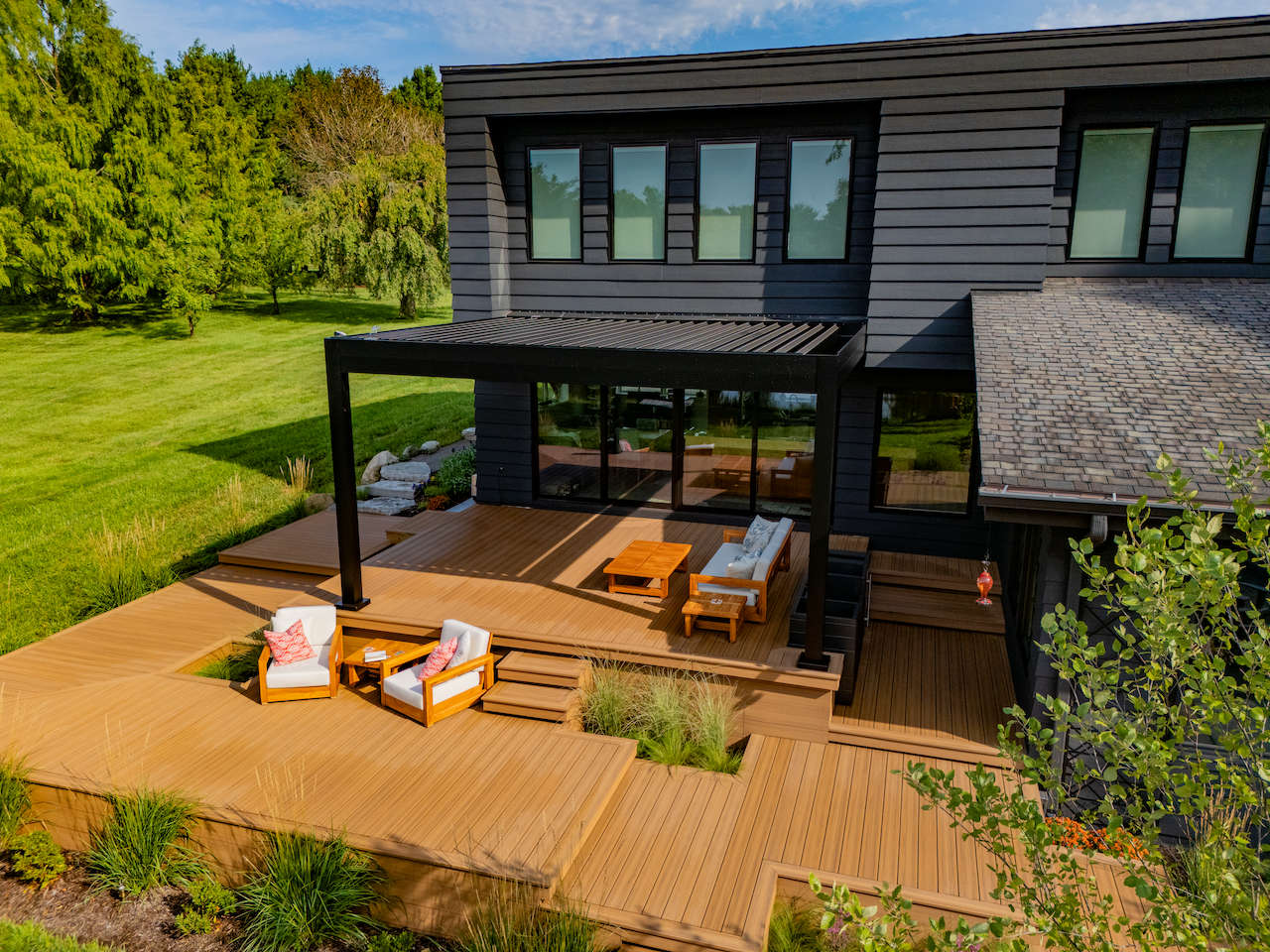
Outdoor living in Casco, MI, is no longer limited to a patio and a few chairs. Homeowners are looking for spaces that feel like a natural extension of the home. Spaces that support entertaining, relaxing, and everyday use without feeling disconnected from the rest of the property.
Many backyards have the square footage but lack intention. Features are added over time without a clear plan, which leads to layouts that feel incomplete or difficult to use. Our team designs outdoor living environments that bring structure, flow, and purpose to the space. The result is a backyard that feels cohesive, functional, and built around how you want to live.
Related: Elevate Your Outdoor Living Experience With a Beautiful Pavilion in Columbus Township and Troy, MI
What Features Should Be Included in a Well-Designed Outdoor Living Space?
A well-designed outdoor living space is built around how each element works together. It is not about adding features. It is about creating an environment where every component supports comfort, movement, and long-term use.
Prebuilt outdoor kitchens often anchor the space. These installations are designed for durability and performance, with materials selected to handle Michigan’s changing weather. They create a central point for hosting while keeping the cooking experience connected to the rest of the gathering area.
Fire features introduce warmth and visual focus. Whether integrated into a seating wall or designed as a standalone element, they create a natural place for people to gather. In many cases, they extend how long the space can be used as temperatures shift in the fall.
Pavilions provide structure and protection. They define space in a way that feels intentional while offering coverage from sun and rain. A well-positioned pavilion can transform an open yard into a usable outdoor room.
Decorative concrete patios form the foundation of the design. These surfaces are engineered for long-term performance, especially in regions that experience freeze-thaw cycles. They also allow for a range of finishes that support the overall aesthetic of the space.
Landscape lighting and outdoor speakers complete the environment. Lighting adds depth and usability after sunset, while integrated audio creates a balanced atmosphere throughout the space. When designed together, these elements create a space that feels complete rather than assembled.
How Do You Design an Outdoor Living Space for Entertaining?
Designing an outdoor living space for entertaining starts with understanding how people naturally gather. The layout should support movement, conversation, and comfort without requiring constant adjustment.
Our team approaches this by creating defined zones that remain visually connected. The outdoor kitchen is typically positioned for easy access from the home while still allowing the host to stay engaged with guests. Dining areas are placed nearby to support a natural transition from preparation to serving.
Lounge areas centered around fire features create a secondary gathering space. This gives guests options without breaking the flow of the design. It also allows the space to function well for both small gatherings and larger groups.
Circulation paths are carefully considered. Walkways and transitions are designed to feel intuitive, so movement through the space happens naturally. This reduces congestion and keeps the environment comfortable.
Lighting and audio systems play a supporting role in entertaining. Subtle lighting defines spaces and sets the tone as the day shifts into evening. Outdoor sound systems distribute audio evenly, creating an immersive environment that enhances the overall experience without overpowering conversation.
What Is the Best Layout for an Outdoor Living Space?
The layout of an outdoor living space is shaped by the property, the home, and how the space will be used over time. A strong layout creates balance between openness and structure while guiding how people interact with the space.
Decorative concrete patios often serve as the central anchor. From there, the layout expands into functional zones that remain connected through consistent materials and design elements. This approach allows the space to feel unified while still offering distinct areas for different activities.
Outdoor kitchens are positioned to remain accessible without interrupting movement. Fire features are placed where they can serve as focal points, drawing attention and encouraging gathering. Pavilions are used to define key areas such as dining or lounging, adding structure and visual interest.
Sightlines are an important part of the layout. We design spaces so that focal points can be appreciated from multiple angles, including from inside the home. This creates a stronger connection between indoor and outdoor environments.
A well-planned layout does more than organize space. It enhances how the space feels and functions, creating an environment that supports both everyday use and larger gatherings.
How Can Outdoor Lighting Enhance an Outdoor Living Space?
Outdoor lighting extends the usability of a space while shaping how it is experienced after sunset. Without it, even a well-designed outdoor living area becomes limited once natural light fades.
Lighting is layered to create both function and atmosphere. Ambient lighting provides an overall glow that makes the space feel inviting. Task lighting is integrated into areas like outdoor kitchens and walkways to support visibility. Accent lighting highlights architectural features, textures, and focal points within the landscape.
In Casco, MI, where daylight hours vary throughout the year, lighting plays a critical role in maintaining usability. During shorter days in the fall, a well-lit space remains comfortable and accessible.
Design and placement are carefully coordinated. Fixtures are selected and positioned to complement the surrounding materials and structures. The goal is to enhance the space without drawing attention to the lighting itself.
When properly integrated, landscape lighting adds depth, improves safety, and allows the outdoor environment to function well into the evening.
What Materials Are Best for Long-Lasting Outdoor Patios in Michigan?
Material selection directly impacts the longevity and performance of an outdoor living space, especially in Michigan’s climate. Freeze-thaw cycles, moisture, and seasonal changes place stress on outdoor surfaces, making durability a key consideration.
Decorative concrete patios are often selected for their ability to perform under these conditions. When installed correctly, they provide a stable surface that resists shifting and wear. They also offer flexibility in design, allowing finishes that complement both modern and traditional homes.
The installation process is just as important as the material itself. Proper base preparation helps manage drainage and movement, which supports long-term stability. Without that foundation, even high-quality materials can experience issues over time.
Material choices also influence the overall look of the space. Texture, color, and finish are coordinated with features such as pavilions, fire elements, and outdoor kitchens to create a cohesive design.
Selecting materials with both performance and aesthetics in mind allows the space to maintain its appearance and function over time
Related: 3 Outdoor Living Spaces That Could Be Perfect for a Midsize Backyard in Troy and Oakland Twp, MI
How Do You Make an Outdoor Living Space Usable Year-Round?
Outdoor living in Michigan is shaped by the seasons, but thoughtful design can extend how long the space remains comfortable and functional.
Fire features are one of the most effective ways to extend usability. They provide warmth and create a focal point that encourages gathering even as temperatures drop. This allows the space to remain active beyond the peak summer months.
Pavilions add another layer of comfort by offering protection from sun and weather. Covered areas make it possible to use the space in a wider range of conditions, from hot afternoons to light rain.
Lighting also contributes to year-round use. As daylight hours become shorter, a well-lit space continues to feel inviting and accessible.
Our team designs outdoor living environments that support use from early spring through late fall. By considering seasonal changes during the design phase, the space remains relevant and comfortable for a longer portion of the year.
Is an Outdoor Sound System Worth Adding to a Backyard?
An outdoor sound system adds a layer of experience that is difficult to replicate with portable solutions. It allows audio to be distributed evenly throughout the space, creating a balanced environment that enhances both entertaining and everyday use.
Speakers are typically integrated into the landscape to remain unobtrusive. This approach maintains the visual integrity of the design while delivering consistent sound quality.
For gatherings, audio helps set the tone and supports the overall atmosphere. For quieter moments, it adds a subtle background element that enhances relaxation.
When combined with lighting and layout, an outdoor sound system contributes to a fully immersive environment. It becomes part of the experience rather than a separate feature.
Design Inspiration: Creating a Cohesive Outdoor Living Style
A cohesive outdoor living design begins with the home. Architectural details, materials, and color palettes often guide the direction of the outdoor space. This creates a transition that feels natural rather than forced.
Some homeowners prefer a clean, modern look with simple lines and minimal contrast. Others are drawn to warmer, more natural styles that incorporate texture and variation. Transitional designs blend these approaches, creating a balanced aesthetic that works across different elements.
Consistency is what brings the design together. Materials used in the patio may be reflected in seating walls or fire features. Structural elements like pavilions are designed to complement the home rather than compete with it.
The goal is to create a space that feels intentional from every angle. Each element supports the overall design, resulting in an outdoor living environment that feels complete and well considered.
Why Working with a Design-Build Team Makes the Difference
Creating a cohesive outdoor living space requires coordination across design, materials, and construction. Working with a design-build team allows these elements to be aligned from the beginning.
Our team manages the entire process, which helps ensure consistency and attention to detail at every stage. Instead of coordinating multiple contractors, homeowners work with a single team focused on delivering a unified result.
Our process is structured to create clarity and efficiency:
We begin with a consultation to understand how you want to use the space
We evaluate the property to identify opportunities and constraints
We develop a custom design that reflects your goals and complements your home
We guide material selection based on performance and overall aesthetic
We manage the installation with a focus on precision and quality
We complete the project with a final walkthrough to ensure everything functions as intended
This approach allows each element of the design to be considered in context. The result is a space that feels cohesive, functional, and built for long-term use.
Conclusion
Outdoor living is about creating a space that supports how you want to spend your time. When design, materials, and layout are aligned, the result is a backyard that feels like a natural extension of the home.
In Casco, MI, where seasonal changes influence how outdoor spaces are used, thoughtful planning makes a noticeable difference. It allows the space to remain comfortable, functional, and visually consistent over time.
Working with a professional design-build team ensures that every detail is considered from the start. The result is an outdoor living environment that not only looks refined but also functions in a way that feels effortless day after day.